


What is The Point of A Cycling Cap
February 27, 2024

You can also call cycling caps biker beans, biker beanie hats, or cycling beans. Regarding cycling caps, people often ask, "What exactly do they do?" This simple little cap has sparked a lasting discussion in the cycling community. Some consider it a mere fashion accessory, while others firmly believe it has a practical function. So, what exactly is the point of a cycling cap?
To delve deeper into this issue, we first must explore its historical origins and role in cycling culture. We will tell you the true meaning of cycling caps in this article.
The History of Cycling Cap
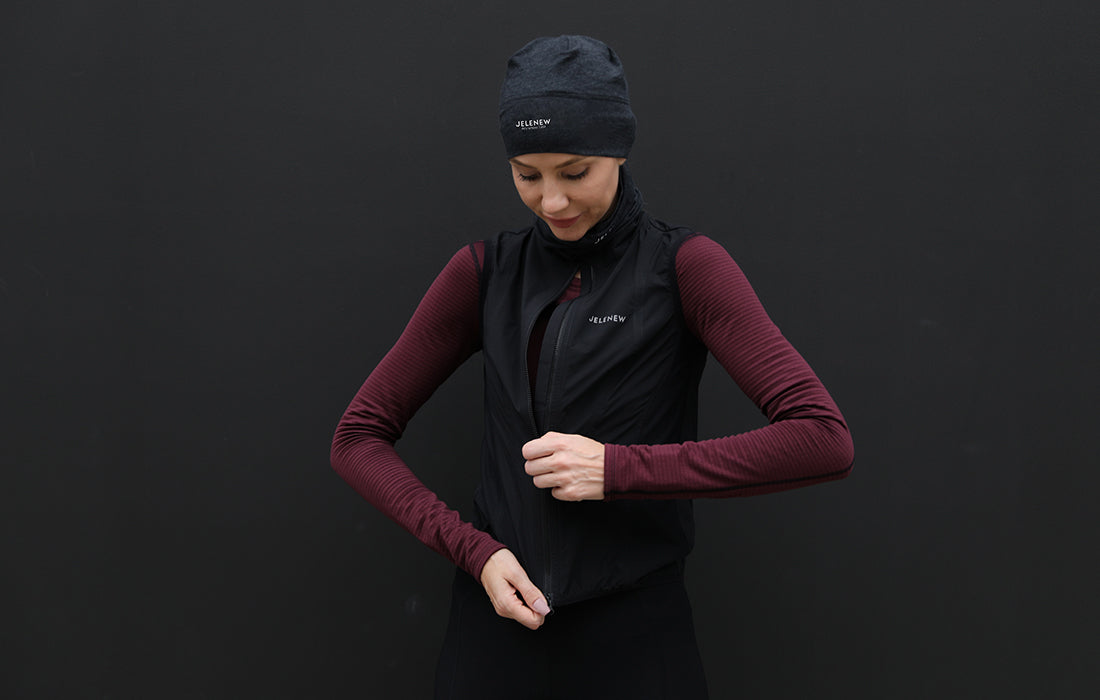
In competitive cycling, cycling caps play an important role. Over the past few decades, the cycling beanie has become iconic in cycling racing. Riders often wear their team cycle beanies in classic cycling races such as the Tour de France and the Giro d'Italia. It shows a sense of belonging to the event and the team.
In addition to its application in competitive sports, cycling caps have gradually become a part of cycling culture. Many cyclists like to ride wearing cycling beans. Not only because of its functionality but also because it represents the love and identity of cycling. Cycle beans come in a variety of designs and styles. It reflects the personalities and preferences of different riding groups.
The history of cycling caps dates back to the late 19th and early 20th centuries. At that time, cycling became a popular recreational and competitive activity. Riders began to look for head protection. They wanted to withstand direct sunlight while still providing some protection.
The earliest cycling caps were made of cotton or wool with small eaves. Some also have tension straps to ensure they don't blow away in the wind while riding. Over time, the design of the biker beanie evolved. It continues to incorporate new materials and technologies to meet the ever-changing needs of riders.
Overall, the history of cycling caps is rich and colorful. It is not only a practical accessory during cycling but also one of the symbols of bicycle culture. It carries the riders' passion and emotion for the sport.
What Are Cycling Caps For
In cycling culture, cycling beanie hats play multiple roles. It has practical functions and represents the riders' identity and love for riding. We can analyze its role in cycling culture.
Head Protection And Comfort
Cycling caps provide a certain level of head protection during riding. It protects against direct sunlight, wind and sand, and head cold. Wearing a cycling cap can comfort riders who ride for extended periods. It also reduces stress and fatigue in the head.
Sweat Management
Biker beans are usually made of moisture-wicking materials. It effectively absorbs sweat on the forehead and drains it out quickly. It keeps your head dry and improves riding comfort.
Style And Personality Display
Cycling caps come in various designs with rich colors and unique patterns. It shows off the rider's personality and style. Many cyclists choose different styles of cycling caps according to their preferences. As part of your riding gear, it can express your unique taste and style.
Team And Event Recognition
In competitive cycling, the cycle beanie is one of the essential accessories representing the team's identity. Riders will wear team jerseys and riding caps to show their sense of belonging to the team. It can present a unified image of the team during the game. In addition, some cycling events or cycling groups will also customize exclusive cycling caps as identification for participants.
Community And Cultural Exchange
Biker beanie hats are also a way to communicate with the cycling community and culture. Cyclists often communicate and interact with each other through the patterns, logos, or slogans on their cycling caps. It can establish common interests and identities and form a close social network.
FAQs About Cycling Caps
Q1: How to clean a cycling cap
A1:
-
Hand wash: It is recommended to wash the cycling cap by hand to avoid damage to the fabric and structure. Soak your cycling cap in clean water using warm water and mild detergent.
-
Gently rub: Gently rub the cycling cap with your fingers, especially on stained areas. But don't use excessive force to avoid damaging the fabric.
-
Rinse thoroughly: Rinse biker beans thoroughly. Make sure all detergent is rinsed out to avoid leaving any residue.
-
Avoid overstretching: Avoid overstretching or twisting your cycling cap during cleaning. It prevents damage to elasticity and shape.
-
Gently wring out: After cleaning, gently wring out the biker beanie, but do not use excessive force. Avoid twisting or deformation.
-
Air dry naturally: Lay the cycling cap flat or hang it in a well-ventilated area to dry naturally. Avoid exposure to sunlight to prevent color fading or material damage.
-
Wash regularly: It’s a good idea to wash your cycling cap regularly, especially after riding or when you sweat a lot. Keeping a clean cycling cap helps reduce odor and bacterial growth.
-
Avoid the dryer: Avoid using a dryer to dry your cycling beanie. High temperatures can damage fabrics and elastics.
Q2: How to store a cycling cap
A2:
-
Clean and dry for storage: Make sure your biker beanie is clean and completely dry. Storing a wet cycling cap can lead to mold growth and odor.
-
Avoid crushing and deformation: Store your cycling cap flat or hang it to avoid crushing or deformation. You can choose a box or container that fits your cycling cap's shape to retain its original shape.
-
Avoid direct sunlight: Store your biker beanie hat out of direct sunlight to prevent color fading and material aging. Sunlight may cause the fabric of your cycling cap to stiffen or lose its elasticity.
-
Maintain ventilation: Choose a well-ventilated storage location to ensure air circulation. It will help eliminate moisture and odor, keeping your biker beanie hats fresh and dry.
-
Turn it regularly: If the cycling cap is used for a short time, it is recommended to turn it regularly. It prevents the fabrics from being pressed together for long and causing deformation.
-
Avoid moisture and heat: Avoid storing your cycling cap in a humid or hot environment. It prevents mold growth and fabric deformation.
-
Store separately: It is best to store your cycling beanie separately to avoid rubbing or squeezing it with other items. It prevents the surface from being scratched or worn.
Q3: How to sew a cycling cap
A3:
-
Design and cut: Design and cut the fabric and lining of the cycling beanie hat to your head size. It would help if you left a specific seam allowance when sewing.
-
Sew the lining: Place the two pieces of lining fabric together, insides facing in. Sew around the edges with a sewing machine or hand-sewing needle. Leave a small opening for flipping.
-
Sew the fabric: Place the two pieces together, insides facing in. Sew around the edges with a sewing machine or hand-sewing needle. Leave a small opening for flipping.
-
Flip and shape: Turn the fabric and lining into the correct orientation. Use a pin or other tool to shape the edges to make them even.
-
Sew the top: Align the tops of the fabric and lining, and sew the top edge, ensuring the lining and fabric are snug.
-
Add an elastic band: Sew an elastic band to the bottom of the cycling cap. It ensures the cycling cap fits tightly against the head and does not slide easily.
-
Finished: After all the stitching is done, carefully inspect the cycling cap’s threads and knots. Trim excess threads to ensure overall beauty.
Q4: How to wear a cycling cap
A4:
-
Style your hair: Arrange your hair into the proper position. Make sure it does not affect the wearing of the cycling cap.
-
Wearing a cycling cap: Place the cycling cap gently on top of your head. Ensure the front brim covers the forehead and the back fits the head.
-
Adjust the position: Adjust the position of the cycling cap appropriately according to personal preference and comfort. Make sure it fits snugly around the head but is tight enough.
-
Adjust the elastic strap: If your biker beanie hat comes with an elastic strap, you can adjust its tightness. Make sure the riding cap does not slip or come loose while riding.
-
Verify comfort: Make sure your cycle beanie feels comfortable. There's no feeling of being tight or too loose, and it doesn't impede your vision.
-
Adjust the brim: If necessary, you can adjust the brim angle on the front of the hat to your personal preference. It allows for adaptability to different weather and light conditions.
-
Check the position: Finally, double-check the position of your cycling cap. Ensure it's secure and comfortable, and you're ready to ride.
Share:


